Short Answer
If you’ve ever dreamed of seeing the “Green Ghost” dance across the sky, February 2026 might be your best chance in a ... Read more
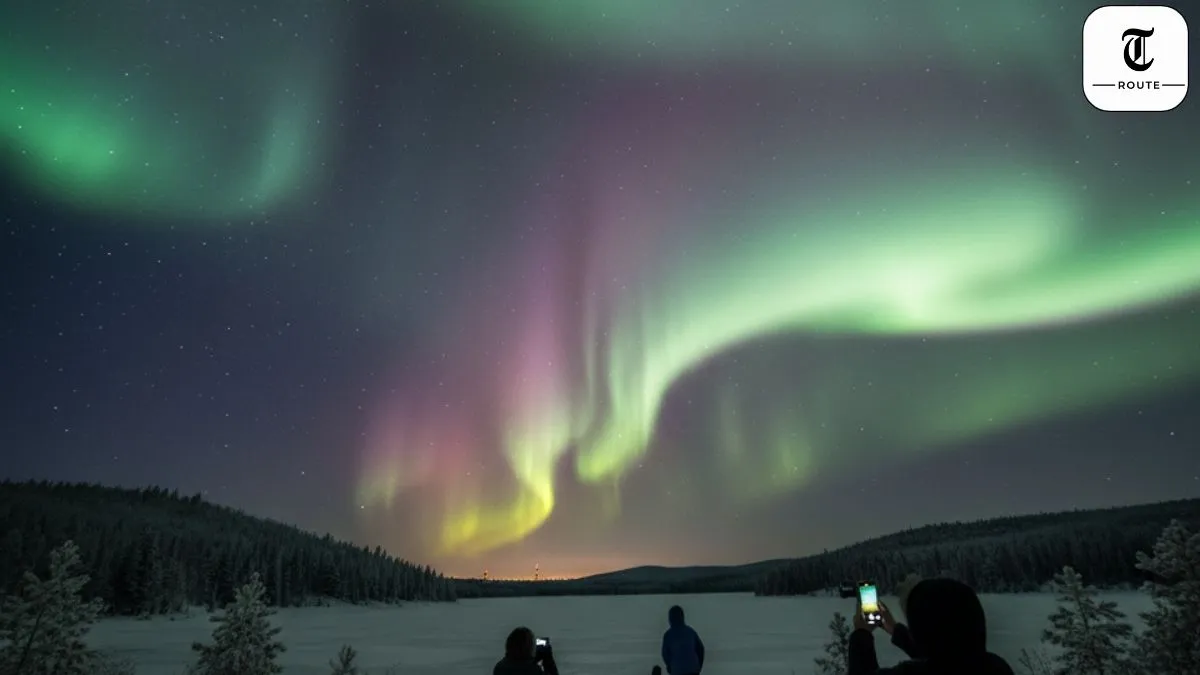
If you’ve ever dreamed of seeing the “Green Ghost” dance across the sky, February 2026 might be your best chance in a decade. As we approach the peak of Solar Cycle 25, the sun has been unusually active, launching massive Coronal Mass Ejections (CMEs) directly toward Earth. This has triggered a series of G3 and G4-class geomagnetic storms, pushing the Aurora Borealis much further south than its usual Arctic home.
At TruthRoute, we are tracking the latest data from the NOAA Space Weather Prediction Center. Whether you are in the northern reaches of Canada or a suburban backyard in the U.S. Midwest, here is everything you need to know about seeing the Northern Lights tonight.
The Science: Why 2026 is the Year of the Aurora
The sun follows an 11-year cycle of activity. In 2026, we are officially in the Solar Maximum. This means the sun’s magnetic field is at its most volatile, leading to more frequent solar flares. When these solar particles hit Earth’s magnetic field, they collide with gases like oxygen and nitrogen, creating the brilliant greens, purples, and reds we call the Aurora.
Because the current storms are high-intensity, the “Aurora Oval” is expanding. This week, residents as far south as Pennsylvania, Iowa, and Oregon have reported sightings, provided they are away from city light pollution.
Tonight’s Forecast: Will They Be Visible?
Space weather can change in minutes, but here are the three metrics I check to see if it’s worth staying up past midnight:
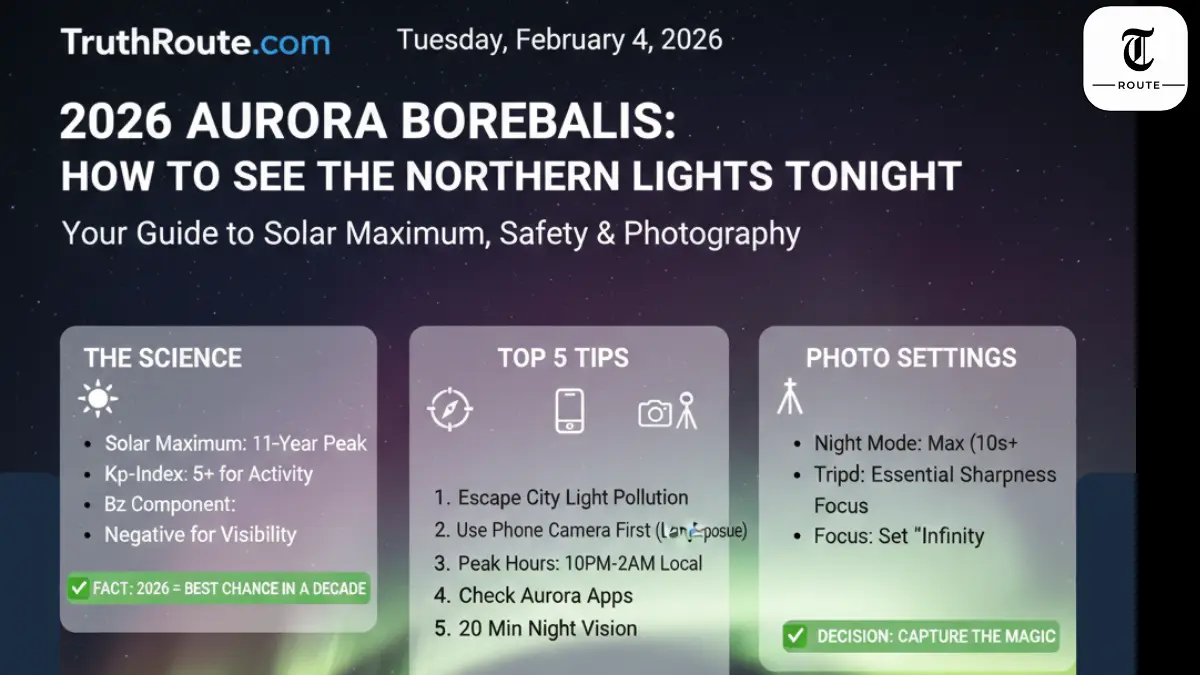
- The Kp-Index: This is a scale from 0 to 9. If the Kp-index is 5 or higher (G1 storm), the lights are active. If it hits 7 or 8 (G3/G4), you can likely see them from mid-latitude states like Illinois or New York.
- The Bz Component: For a “BOOM” display, we want the Bz (the magnetic direction) to be negative (pointing South). This “opens the door” for solar energy to enter our atmosphere.
- Cloud Cover: Even the strongest solar storm can’t beat a cloudy sky. Always cross-reference the aurora forecast with your local Clear Sky Chart.
Top 5 Tips for Seeing the Northern Lights Tonight
I’ve chased the lights from Iceland to Michigan, and most people miss them because of simple mistakes. Follow this “Expert” checklist:
1. Get Away from the “Orange Glow”
Light pollution is the enemy. You need to get at least 30-40 miles away from major city centers. Look for “Dark Sky Parks” or rural areas with an unobstructed view of the Northern horizon.
2. Look Through Your Phone Camera First
Sometimes the Aurora is “sub-visual” to the human eye, looking like a faint gray cloud. However, modern smartphone sensors are much more sensitive to light. Point your camera north and take a 3-5 second long-exposure shot. If the screen shows green, the Aurora is there—you just need to wait for a “burst” for it to become visible to your eyes.
3. The “Peak Hour” Strategy
The most intense displays usually happen between 10:00 PM and 2:00 AM local time. This is when your location is on the “midnight” side of the Earth, facing directly into the solar wind stream.
4. Check the “Aurora Apps”
Download apps like My Aurora Forecast or Hello Aurora. These apps send push notifications when the Kp-index spikes in your specific zip code.
5. Give Your Eyes 20 Minutes
Don’t look at your bright phone screen while waiting. It takes about 20 minutes for your “night vision” to fully kick in. One look at a bright white screen will reset your progress.
Photography Settings for 2026 Smartphones
If the lights appear, don’t just click “Auto.” Use these settings for a professional-grade shot:
- Night Mode: Set to maximum (usually 10 seconds).
- Tripod: If you don’t have one, lean your phone against a rock or a car roof. Any movement will blur the stars.
- Focus: Set focus to “Infinity” if your app allows it.
Is There a Risk to Technology?
With these G4-class storms, many people ask about power grids or GPS. While extreme solar storms (like the Carrington Event) can impact infrastructure, the current 2026 storms are mostly safe for consumer electronics. You might notice your GPS being slightly less accurate or some “static” on ham radio, but your phone and car are safe.
Final Thoughts: Don’t Wait for Tomorrow
Solar activity is unpredictable. A storm that looks weak at 8:00 PM can explode into a “Great Aurora” by midnight. If the Kp-index is over 5 and your sky is clear, grab a thermos of coffee and head out. These moments in the 2026 Solar Maximum are rare—don’t miss your chance to see the greatest light show on Earth.
Did you see the lights in your area tonight? Drop your location and the color of the Aurora in the comments below! We are building a real-time community map for tonight’s display.
Sources & Notes
This article is written as an independent explainer. Readers should verify official announcements through primary public sources, court records, government notices or the concerned organisation before acting on political or legal claims.
FAQs
What is TruthRoute.com?
TruthRoute.com is an independent U.S.-based global news and analysis website publishing source-based reporting, explainers and opinion across world, politics, business, tech, health, entertainment and sports.
How should readers use this article?
Use it as an independent explainer and starting point for context. For legal, political or official claims, always check primary documents and official sources.

Truth Route Editor
Newsroom byline for source-based explainers, viral story breakdowns and public-interest updates published by TruthRoute.com.