Short Answer
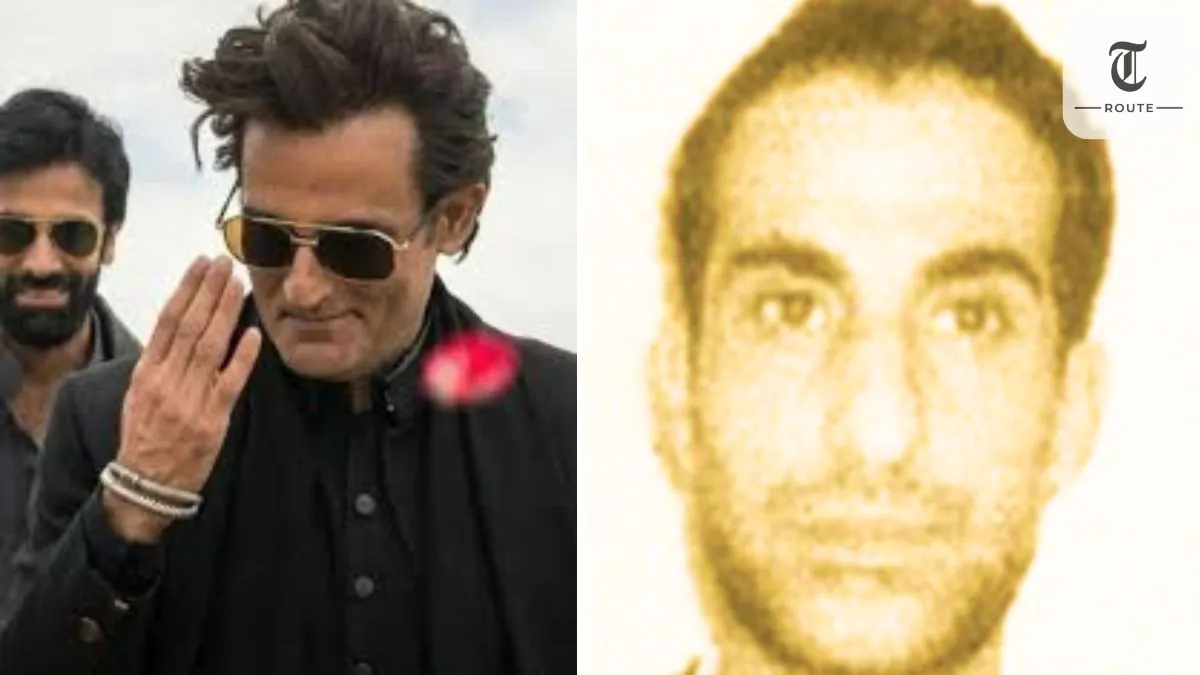
Who Was Rehman Dakait? Real Life Story, Crimes & Death Explained Intro: A Feared Name From Lyari Rehman Dakait is widely remembered ... Read more
Who Was Rehman Dakait? Real Life Story, Crimes & Death Explained
Intro: A Feared Name From Lyari
Rehman Dakait is widely remembered as one of the most notorious gang figures linked to Karachi’s Lyari area, a name that keeps resurfacing in news reports, documentaries and now mainstream films.In Pakistani media and local accounts, he is often described as a central player in Lyari’s gang wars of the 2000s, reportedly involved in extortion, smuggling and violent turf battles.
This explainer looks at what is publicly reported about his early life, alleged criminal activities, political touchpoints, controversial encounter death and the legacy that still shapes how Lyari is viewed today.
Early Life: Born In Karachi’s Most Talked-About Neighbourhood
Rehman Dakait’s real name is generally reported as Sardar Abdul Rehman Baloch, and most accounts place his birth in Lyari, Karachi, in the late 1970s or around 1980.He was reportedly born to Dad Muhammad (also written as Dadal or Dad Mohammad), who was linked to drug smuggling, and his mother Khadija Bibi.
Lyari itself is one of Karachi’s oldest settlements, home historically to Sindhi fishermen and Baloch communities, and later known for high population density, underdevelopment and a long-standing reputation for crime and gang influence.The mix of poverty, unemployment and weak state presence reportedly provided the backdrop in which figures like Rehman emerged.
Entry Into Crime: From Small Offences To Gang Leader
According to multiple reports, Rehman’s descent into crime began early. Pakistani media accounts and later explainer pieces state that he was involved with drug peddling and street-level crime in his teens.One widely cited claim is that he stabbed a man at around 13, marking his first serious act of violence, though detailed official documentation of this specific incident is limited.
By his late teens, he was reportedly deeply embedded in Lyari’s gang ecosystem, and some reports allege that he murdered his own mother, possibly over an alleged association with a rival gang, a claim often repeated but difficult to independently verify in detail.By his early twenties, he was described as leading his own group, participating in the broader Lyari gang wars against rivals such as Arshad Pappu.
Criminal Activities: Extortion, Smuggling And Gang Wars (Reported)
Media investigations and retrospective features describe Rehman as heading a network reportedly involved in multiple criminal enterprises.
These included:
- Extortion: Shopkeepers and local businesses in parts of Lyari were reportedly forced to pay regular “protection” money to avoid harassment or violence.
- Drug smuggling: He was repeatedly linked, in press reports, to drug trafficking routes operating through Lyari and wider Karachi.
- Illegal arms: Accounts describe him as being involved in the sale and circulation of illegal weapons within the city’s underworld.
- Gang wars: For much of the 2000s, Lyari was the scene of violent conflict between his faction and rival groups, particularly the gang of Arshad Pappu; these clashes reportedly paralysed daily life and left many residents caught in the crossfire.
Some later write-ups and interviews also claim he ordered extreme intimidation tactics against enemies, including public displays involving rival bodies, but such accounts are based largely on testimonies and secondary reporting and should be treated as reported allegations rather than court-established facts.
Political Touchpoints: Photos, Allegations And Denials
Over time, Rehman’s reported influence extended beyond pure street crime into the political realm of Lyari, which had long been considered a stronghold of the Pakistan Peoples Party (PPP).Photographs and local reporting have shown him with or near PPP figures such as former Sindh home minister Zulfiqar Mirza and, in some cases, in proximity to Benazir Bhutto during public appearances.
These images fuelled allegations that parts of the political establishment tolerated or informally used Lyari gangs for influence, something that senior PPP leaders and top police officials have publicly denied.Some officers have insisted there was no direct pressure from top politicians to shield him, while critics argue that a broader atmosphere of political patronage allowed violent groups to grow powerful before the state moved against them.
Death: Encounter Killing And Disputed Narrative
Rehman Dakait’s life ended in August 2009, when he was killed along with associates in what authorities described as a police “encounter” during an operation targeting gangs in Lyari.The official version framed the incident as a shootout, presenting his death as part of a broader crackdown on organised crime in Karachi.
However, some local leaders and associates later questioned aspects of the encounter narrative, pointing to reported autopsy findings suggesting shots fired from close range and arguing that the timing was suspicious, coming after he had begun presenting himself as a more political actor through the People’s Aman Committee.Alternative theories – including claims that he had become too powerful or was involved in sensitive arms dealings – have circulated in commentary pieces, but these remain speculative and unproven in court.
Legacy: Lyari, Memory And Pop Culture
In Lyari, memories of Rehman Dakait remain mixed: for some he symbolises a period of intense fear, curfews and crossfire, while others recall welfare gestures or see him as a product of structural neglect and political games.His name still appears in discussions of Karachi’s underworld, police reform and the impact of gang conflicts on working-class neighbourhoods.
Beyond Pakistan, his story has reached new audiences through documentaries, YouTube explainers and, most recently, Bollywood cinema. Aditya Dhar’s film Dhurandhar features a fictionalised version of him, played by Akshaye Khanna, which has reignited interest in the real Lyari gang wars and the man behind the on-screen persona.As with many such figures, the line between fact, fear and mythology remains blurred – but his reported role in shaping Lyari’s most violent years is now firmly part of the region’s documented history.
Sources & Notes
This article is written as an independent explainer. Readers should verify official announcements through primary public sources, court records, government notices or the concerned organisation before acting on political or legal claims.
FAQs
What is TruthRoute.com?
TruthRoute.com is an independent U.S.-based global news and analysis website publishing source-based reporting, explainers and opinion across world, politics, business, tech, health, entertainment and sports.
How should readers use this article?
Use it as an independent explainer and starting point for context. For legal, political or official claims, always check primary documents and official sources.

Truth Route Editor
Newsroom byline for source-based explainers, viral story breakdowns and public-interest updates published by TruthRoute.com.