Short Answer
Two People Dead After Plasma Donations at Winnipeg Private Clinics: Health Canada Confirms Health Canada has confirmed that two people died following ... Read more
Two People Dead After Plasma Donations at Winnipeg Private Clinics: Health Canada Confirms
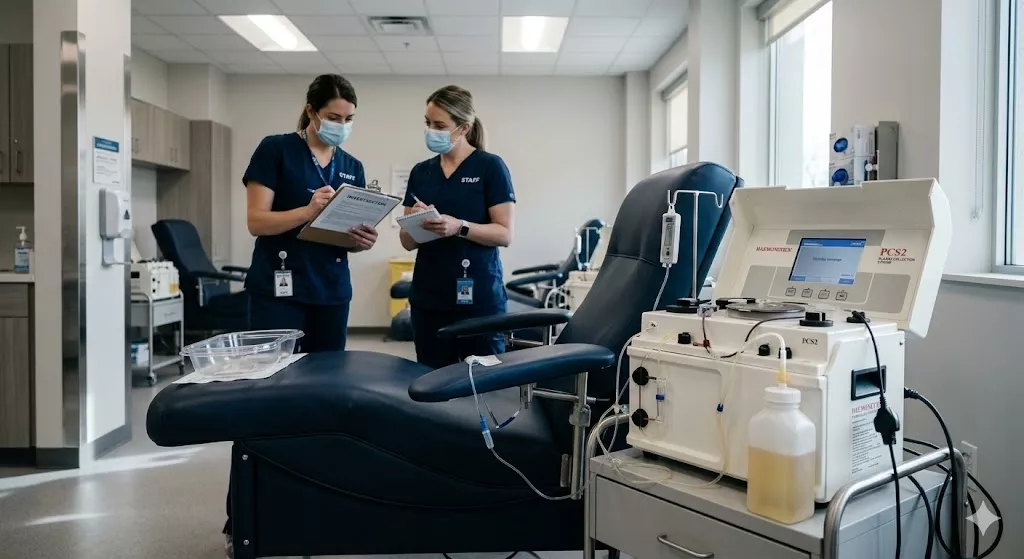
Health Canada has confirmed that two people died following plasma donations at two separate private collection centres in Winnipeg. The deaths occurred months apart and have triggered an investigation into the safety standards at paid plasma clinics operating in the city.
When Did the Deaths Occur
The first death was recorded on October 25th. The second occurred on January 30th. Health Canada has not officially named either individual, but friends of one of the deceased have identified the person as Rodiat Alabed, a 22-year-old international student enrolled at the University of Winnipeg.
At this stage, no direct link has been established between the plasma donation process itself and either of the deaths. Investigations are ongoing.
What Griffols Says About the Deaths
Griffols, the private company operating the collection centres, issued a statement to Global News defending its safety procedures. The company said donors pass through rigorous health screening before being accepted and that serious complications during plasma donation are extremely rare.
Griffols stated it has no reason to believe the deaths are connected to the plasma donation process. The company, which was previously known as Canadian Plasma Resources, maintains that its protocols meet established safety standards.
Ongoing Lawsuit Against Griffols
A separate legal matter involving Griffols is already before the courts. A Winnipeg plasma donor has filed a lawsuit against the company, alleging that a machine malfunction caused a serious kidney injury during the donation process. Griffols has denied the allegations entirely and has filed a request asking a judge to dismiss the claim.
The lawsuit adds further scrutiny to the company’s operations at a time when two deaths connected to its centres are already under investigation.
What Is Plasma and Why Is It in Demand
Plasma is the straw-coloured liquid component of blood, often referred to as liquid gold due to its medical value. It is used to treat a wide range of serious conditions including bleeding disorders, liver disease, and several types of cancer.
Canadian Blood Services, which oversees the national blood and plasma supply system, says the rate of a serious adverse reaction during plasma donation is less than one in every 10,000 donations. The organisation also projects that demand for plasma will grow by 50 percent or more over the next five years, meaning the need for donors is only going to increase.
Canadian Blood Services declined to participate in a media interview on this story but provided written responses to questions from Global News.
Paid Plasma Clinics and the Legal Loopholes
Paid plasma donation clinics are banned in Ontario, British Columbia, and Quebec. However, legal loopholes allow private clinics to operate in other provinces if they function as agents of Canadian Blood Services. This regulatory gap has drawn criticism from health advocates who argue it creates an inconsistent safety framework across the country.
Winnipeg currently sits outside the provinces where the ban applies, which is why operations like those run by Griffols have been permitted to continue.
Government Considers Banning Paid Plasma
Following the news of the two deaths, government officials have indicated that a ban on paid plasma donation is being considered. A spokesperson confirmed the option is on the table but said formal decisions will not be made until the findings of the current investigation are available.
The statement signals that regulators are watching the situation closely and are open to tightening the rules around privately run plasma collection in Canada.
As the investigation continues, the families of the deceased and the broader donor community are waiting for answers about what happened and whether current safety standards at private plasma clinics are adequate.
Sources & Notes
This article is written as an independent explainer. Readers should verify official announcements through primary public sources, court records, government notices or the concerned organisation before acting on political or legal claims.
FAQs
What is TruthRoute.com?
TruthRoute.com is an independent U.S.-based global news and analysis website publishing source-based reporting, explainers and opinion across world, politics, business, tech, health, entertainment and sports.
How should readers use this article?
Use it as an independent explainer and starting point for context. For legal, political or official claims, always check primary documents and official sources.

Truth Route Editor
Newsroom byline for source-based explainers, viral story breakdowns and public-interest updates published by TruthRoute.com.