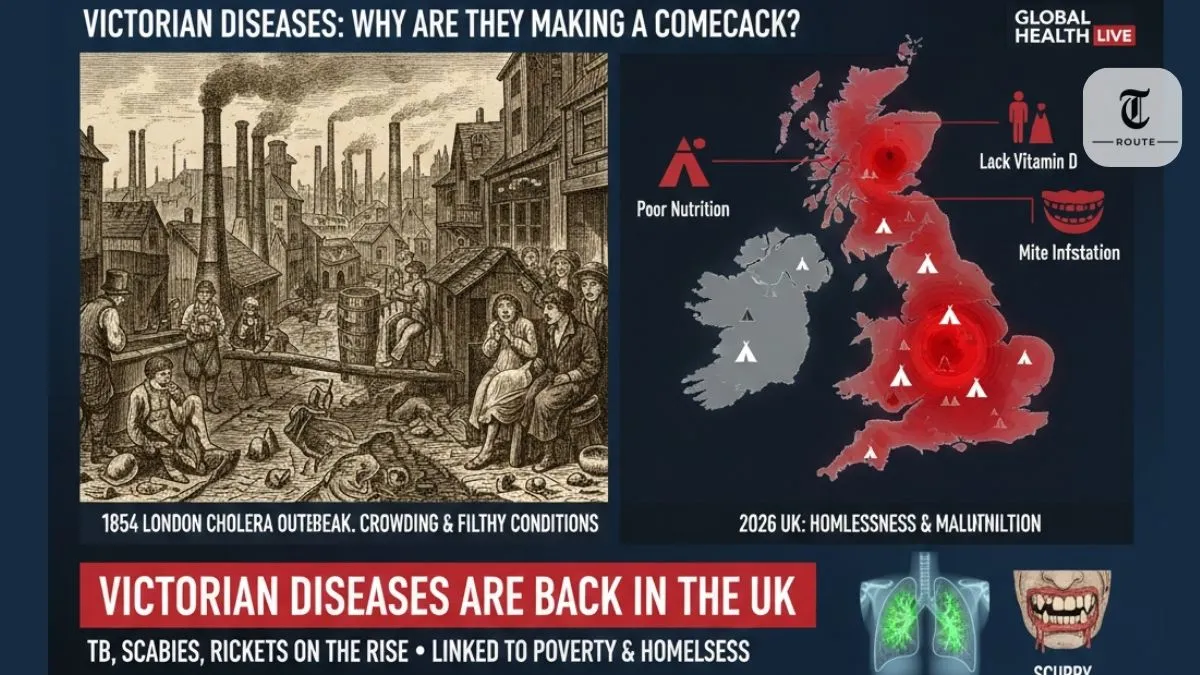
What Is a Victorian Disease? Meaning, Examples, and Why It’s Making a Comeback
Victorian diseases were the common illnesses that plagued 19th-century Britain. Today, their names are popping up in the news again, especially in the UK. This article breaks it down in plain language—what these diseases were, the main examples, and why they’re showing up now.
What does “Victorian disease” mean?
The Victorian era ran from 1837 to 1901, when Britain boomed with factories and cities exploded in size. Poor sanitation, open sewers, and packed slums created perfect conditions for disease. People thought “bad air” caused sickness until science proved contaminated water and overcrowding were the real culprits. These outbreaks killed thousands every year and forced big changes like modern plumbing.
Cholera epidemics in the 1800s were game-changers. One doctor mapped a deadly outbreak to a single water pump, kickstarting public health reforms that saved millions of lives worldwide.
Most common Victorian diseases
Here are the big ones that defined the era:
Tuberculosis (TB): The top killer, hitting lungs in crowded, damp homes. It caused 1 in 4 deaths.
Scabies: Intense itching from mites thriving in dirty, shared bedding.
Measles: Highly contagious rash and fever, deadly for kids without immunity.
Rickets: Soft bones in children from lack of sunlight and poor diet.
Scurvy: Bleeding gums and weakness from no vitamin C in factory worker diets.
Typhoid: Fever from tainted water, striking rich and poor alike.
| Disease | Main Cause | Who It Hit Hardest |
|---|---|---|
| Tuberculosis | Crowded living | Factory workers |
| Scabies | Poor hygiene | Slum dwellers |
| Measles | No vaccines | Children |
| Rickets | Vitamin D lack | City kids |
| Scurvy | No fresh food | Poor families |
| Typhoid | Bad water | Everyone |
Why are Victorian diseases returning today?
UK health reports show these old illnesses climbing back, especially TB, scabies, and malnutrition cases. Hospitals saw a sharp rise from 2019 onward. Key fac