Winter Solstice 2025: What It Means, Date, and Why It Matters
Direct Answer: When Is Winter Solstice 2025?
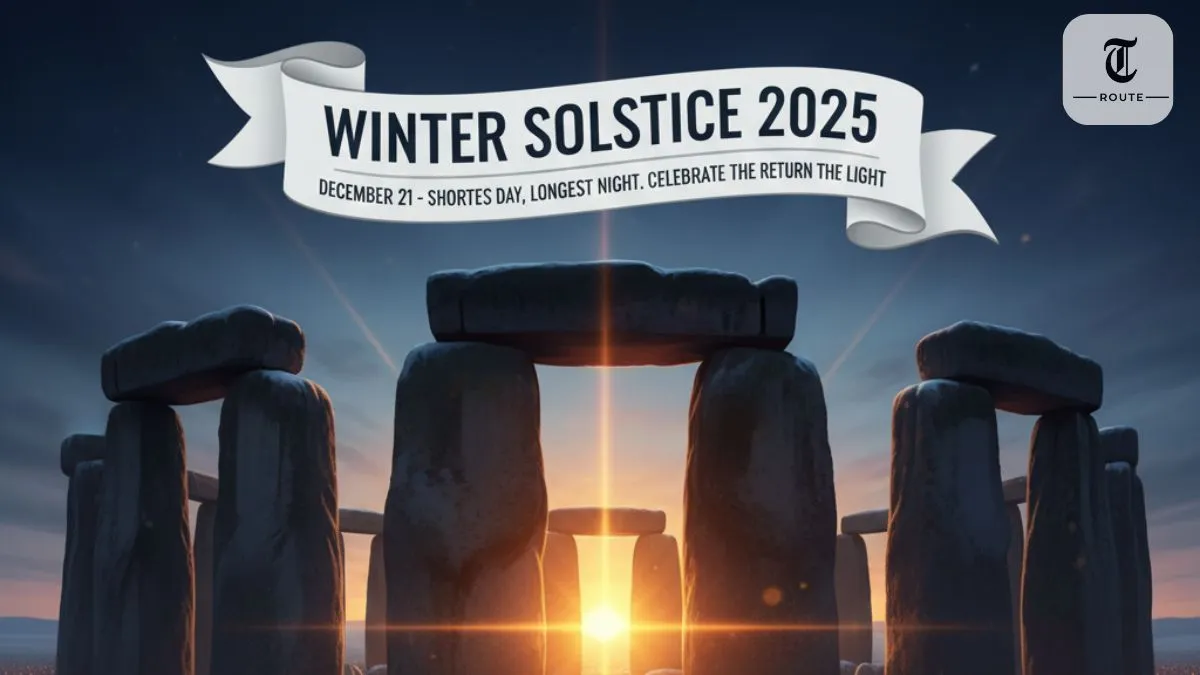
Winter solstice 2025 occurs on Sunday, December 21 at 10:03 AM EST (15:03 UTC). This marks the shortest day and longest night of the year in the Northern Hemisphere, and the official astronomical start of winter.
Why People Search for Winter Solstice Every Year
Every December, “winter solstice” spikes in searches as people plan holidays, check school schedules, or simply wonder why days feel so short. It’s not just about darkness—it’s a turning point. After December 21, daylight starts increasing minute by minute until summer. Students, teachers, astronomers and holiday planners all want to know the exact date and what makes this day special.
Simple Explanation: What Causes Winter Solstice?
Earth doesn’t spin straight up and down like a top. It tilts 23.5 degrees as it orbits the sun. During winter solstice:
- Northern Hemisphere (US, Europe, India) tilts away from the sun
- Sun appears lowest in the sky all year
- Shortest daylight (8-9 hours in most US cities)
- Longest night (15-16 hours)
After solstice, Earth keeps tilting but now starts leaning toward the sun. Days lengthen 1-2 minutes daily through June’s summer solstice.
Winter Solstice 2025 By Location: Daylight Hours Table
| Location | Sunrise | Sunset | Daylight Hours |
|---|---|---|---|
| New York City | 7:18 AM | 4:32 PM | 9 hours 14 minutes |
| Los Angeles | 6:52 AM | 4:45 PM | 9 hours 53 minutes |
| Chicago | 7:10 AM | 4:20 PM | 9 hours 10 minutes |
| London, UK | 8:03 AM | 3:53 PM | 7 hours 50 minutes |
| New Delhi, India | 7:10 AM | 5:25 PM | 10 hours 15 minutes |
What Winter Solstice Means for Everyday People
For families: School schedules often align with solstice. Many districts have winter break starting December 20-23.
For businesses: Retail peaks with holiday shopping. Astronomy tours and solstice events sell out worldwide.
For gardeners: After December 21, plants sense lengthening days. Indoor seed starting ramps up.
For mental health: Shorter days trigger Seasonal Affective Disorder (SAD) in 5-10% of people. Light therapy recommended.
Winter Solstice Around the World: Traditions Table
| Culture | Tradition |
|---|---|
| Ancient Rome | Saturnalia (12/17-23) – Feasting, gift-giving |
| Norse | Yule – Log burning, evergreen decorations |
| China | Dongzhi Festival – Tangyuan dumplings, family gatherings |
| Modern Pagan | Yule rituals, solstice bonfires |
| India | Uttarayana start – Kite flying, sesame sweets |
Why Winter Solstice “Matters” Beyond Science
More than astronomy, solstice is psychology. On the darkest day, every culture found ways to celebrate light’s return:
- Hope symbol: Shortest day = turning point. Light increases forever after.
- Season marker: Astronomical winter begins (ends June 20)
- Cultural anchor: 10,000+ years of solstice celebrations worldwide
In 2025, expect sunrise tours, yoga events, light festivals and family gatherings worldwide December 21.
FAQs: Winter Solstice 2025
Is winter solstice always December 21?
No. Earth’s orbit causes slight shifts. 2025: Dec 21. 2024 was Dec 21. 2026 will be Dec 21. Rare years hit Dec 20 or 22.
Which hemisphere has winter solstice?
Northern Hemisphere (US, Europe, Asia) = winter. Southern Hemisphere (Australia, South America) = summer solstice (longest day).
Does solstice cause cold weather?
No. Solstice = tilt position. Coldest months follow due to heat loss. January/February coldest despite lengthening days.
Will solstice ever disappear?
No. Earth’s 23.5° tilt is stable for millions of years. Solstices continue reliably.
Best way to celebrate winter solstice?
Watch sunrise/sunset, make seasonal food, gather with loved ones, or join local solstice events. Light always returns.