Winter Storm Warning Issued: What It Means, Affected Areas & Safety Tips
Winter storm warning searches spike when National Weather Service issues alerts across US regions. Different from watch, warning means imminent danger—life-threatening conditions expected within 24-36 hours. Heavy snow, ice, blizzard conditions, extreme cold trigger warnings protecting millions. January 2026 sees multiple active warnings Midwest, Northeast, Plains. Here’s complete breakdown for safety.
What Winter Storm Warning Actually Means
National Weather Service defines warning as hazardous weather confirmed or very likely. Expect 6+ inches snow 12-24 hours, blizzard conditions, ice accumulation 0.25+ inches, winds 35+ mph with snow reducing visibility under 0.25 mile. Warning duration typically 24-48 hours giving preparation time.
Watch vs Warning: Watch means possible development 24-48 hours out. Warning means happening now—take action immediately. Color-coded maps show red warning zones versus yellow watch areas.
| Alert Type | Timing | Conditions | Action |
|---|---|---|---|
| Watch | 24-48 hours | Possible development | Prepare |
| Warning | Now-36 hours | Imminent/likely | Take shelter |
Currently Affected US Areas (January 2026)
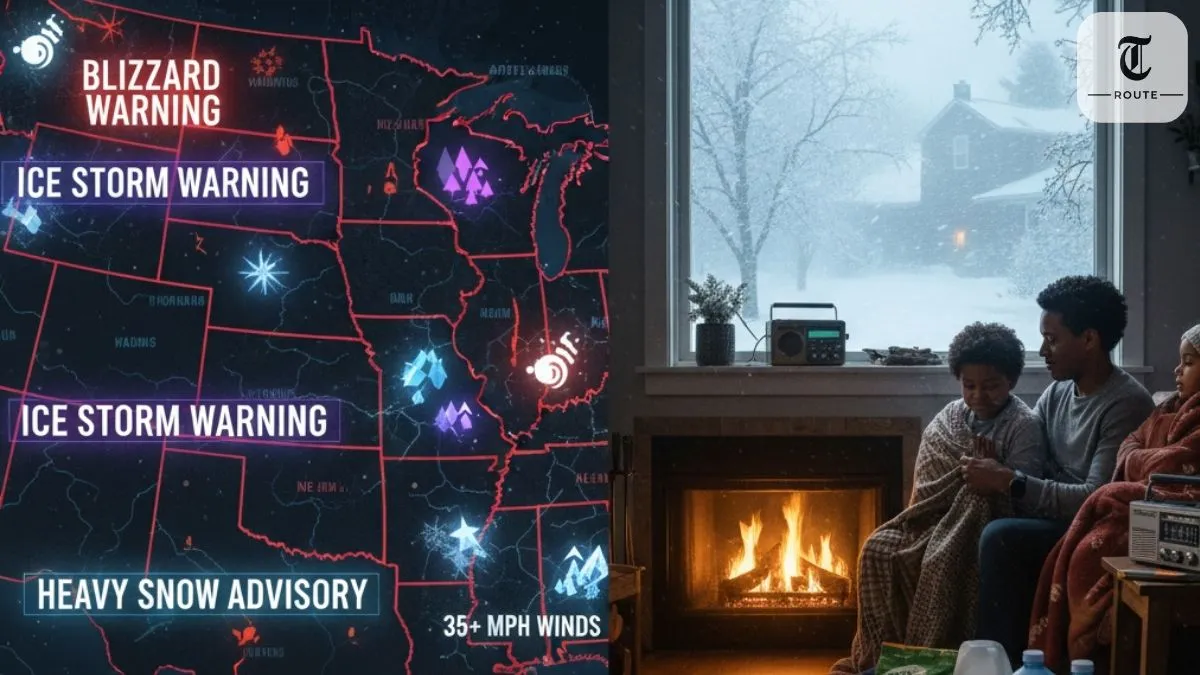
Midwest leads warnings: Wisconsin, Minnesota, Iowa expect 8-12 inches heavy snow, 40mph winds creating whiteout conditions. Northeast corridor sees ice storm threat Pennsylvania through Maine—0.5 inch ice possible snapping power lines. Plains battle blizzard warnings with 1-2 feet snow drifts.
Great Lakes snow belts forecast lake effect bands dumping 2+ feet Buffalo, Cleveland areas. Southeast watches freezing rain threat. West Coast spared but mountain passes Sierra Nevada, Rockies dangerous.
Safety Tips When Warning Active
National Weather Service emergency checklist saves lives:
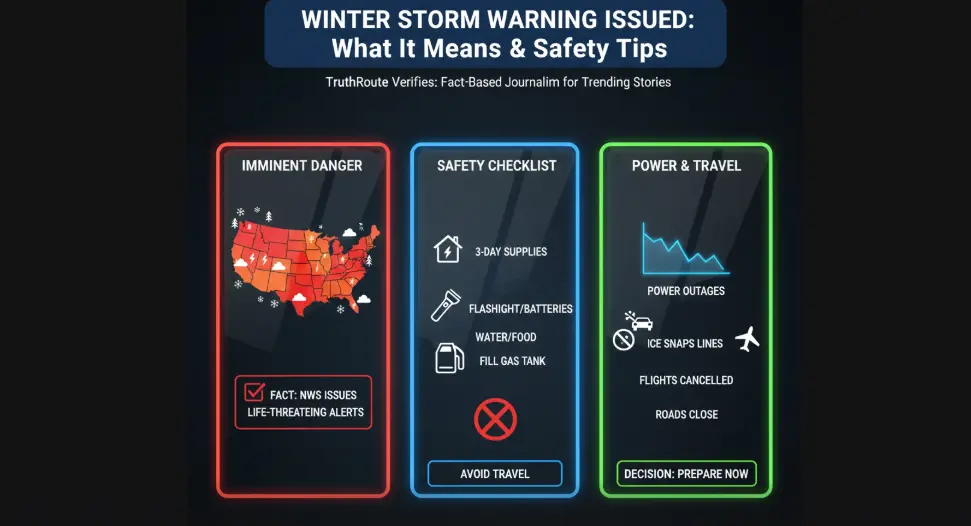
- Stock 3-day nonperishable food, water—one gallon person daily
- Flashlights, batteries, fully charged phones, power banks
- Blankets, extra winter clothing, first aid kit
- Fill gas tanks—roads close fast
- Charge devices, have battery radio for updates
- Prepare pets—warm shelter, food, water
Power Outage and Travel Preparation
Ice snaps lines causing widespread outages. Space heaters safely or use generator outdoors only—carbon monoxide kills. Never use ovens, grills indoors. Travel? Check road closures before leaving. Airlines cancel flights, Amtrak delays common.
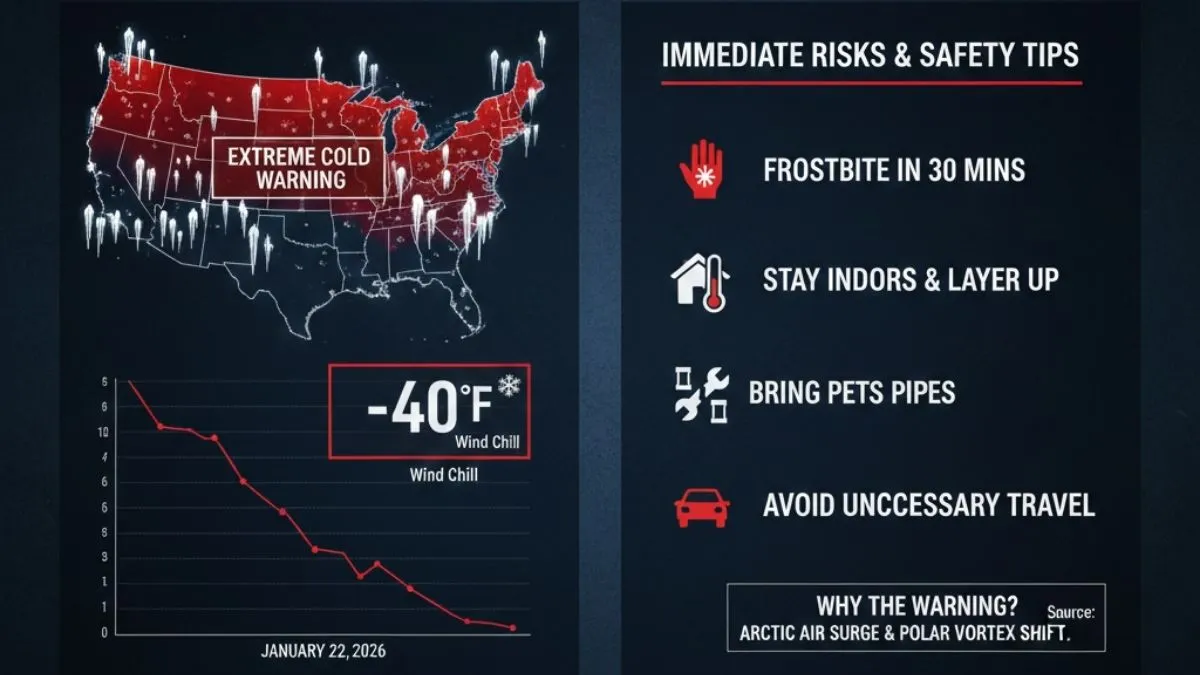
Layer clothing—wet destroys insulation. Wool, synthetics better than cotton. Cover skin—frostbite 30 minutes at zero degrees. Indoor temps drop fast—stay one room, close doors.
Why Warnings Save Lives
Warnings reduced storm deaths 70% since 1970s through preparation. Communities stock supplies, cancel school, pretreat roads. Businesses close early preventing stranded workers. Power companies preposition crews cutting outage duration.
Check weather.gov hourly—warnings upgrade to blizzard emergencies rapidly. Local NWS offices provide county-level precision forecasts unlike apps showing general data.
Frequently Asked Questions
What’s difference between advisory and warning?
Advisory hazardous but not life-threatening. Warning expects significant danger.
How much snow triggers warning?
Typically 6 inches in 12 hours or 8 inches in 24 hours with dangerous winds.
Should I travel during warning?
Avoid if possible. Check state DOT and NWS road conditions first.
Winter storm warnings protect through preparation. Stay informed through official NWS channels. Check updates frequently as conditions evolve rapidly.