Short Answer
117 Dogs Found Dead at California No-Kill Rescue, Authorities Say Authorities in Northern California say they recovered the remains of 117 dogs ... Read more
117 Dogs Found Dead at California No-Kill Rescue, Authorities Say
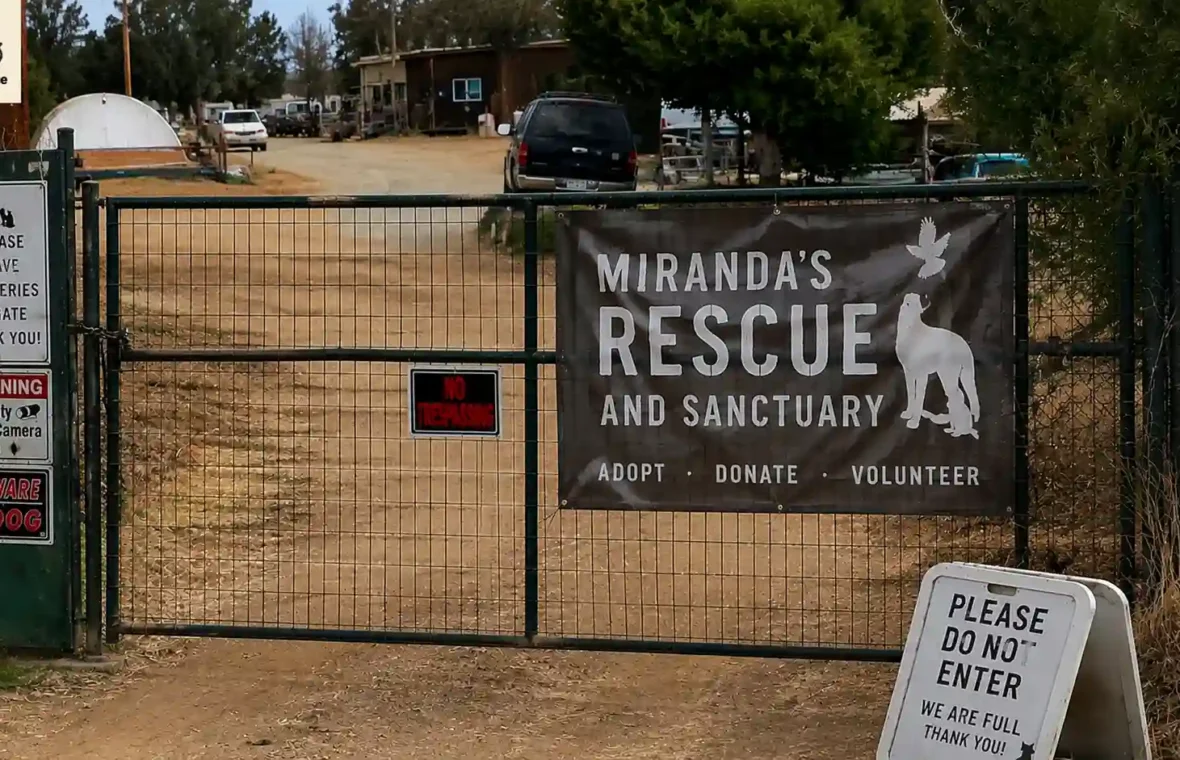
Authorities in Northern California say they recovered the remains of 117 dogs from Miranda’s Rescue, a self-described no-kill animal sanctuary in Fortuna. The case has drawn national attention because investigators say many of the dogs showed signs consistent with gunshot wounds.
The Humboldt County Sheriff’s Office said the search was connected to allegations of animal cruelty and fraud. During the operation, investigators reported finding two dig sites with intact canine remains, plus 21 canine skulls, hundreds of bones, loose microchips, and more than 600 dog collars near an area in a barn where officials believe dogs may have been killed.
No criminal charges had been announced in the latest public reports. That point matters. The discovery is severe, and the investigation is active, but the legal process is still moving.
At TruthRoute Animal Stories, we follow viral animal rescue stories by checking what is confirmed, what is still unclear, and why the story matters.
What Authorities Say They Found
Investigators said 117 intact canine remains were recovered from two dig sites on the property. Seventy of the dogs were examined on site with X-rays, and many showed evidence of bullet fragments, according to reports citing the sheriff’s office. The remaining dogs were collected as evidence for further review.
Authorities also reported finding 21 canine skulls, hundreds of bones, six loose microchips, and more than 600 dog collars. The collars were found near a barn area that investigators believe may have been connected to where dogs were killed.
Those details are hard to read, but they are important because they separate the story from rumor. This is not only an online accusation. It is an active investigation built around physical evidence, excavation, forensic review, and records that officials are still working through.
Why The Microchips Matter
The microchips may become one of the most important parts of the case. A microchip can sometimes connect a dog to a previous owner, a shelter, a rescue transfer, or a veterinary record. If investigators are able to identify some of the dogs, families and shelters may learn what happened after the animals were sent to Miranda’s Rescue.
For animal welfare groups, that is a painful but necessary step. A rescue investigation is not only about the animals found on one property. It is also about tracing the route that brought them there.
Which shelters transferred dogs? What paperwork existed? Were donors told the truth about animal care? Were families or agencies notified if dogs were euthanized? Those questions are likely to matter as the investigation continues.
Why The No-Kill Label Is At The Center Of The Story
The phrase no-kill carries emotional weight. People often hear it and assume an animal is safe from routine euthanasia. Public shelters may send animals to a no-kill rescue because they believe the dogs will get more time, training, medical care, or a chance at adoption.
That is why the California case has hit animal advocates so hard. If a rescue presents itself as a sanctuary, people expect transparency. They expect records. They expect clear communication when an animal dies. They expect a system that can explain what happened to each dog.
Good rescue work is difficult. Some dogs arrive sick, injured, elderly, traumatized, or unsafe around people or other animals. Honest rescues deal with hard medical and behavioral decisions. But hard decisions still require documentation. The public trust attached to the no-kill label depends on that.
What The Rescue Founder Has Said
Miranda’s Rescue founder Shannon Miranda has denied wrongdoing in public statements. He has said the organization does not euthanize animals simply to make space, and that euthanasia may happen only in rare circumstances, such as severe illness or serious danger.
That denial is part of the public record. So is the sheriff’s investigation. The responsible way to read the story is to keep both facts in place: investigators say they found a large number of dog remains, and the founder has disputed the way the situation has been portrayed.
What happens next will depend on evidence, records, witness interviews, animal identification, and prosecutor review.
Why Other Shelters Are Watching Closely
Public shelters often rely on rescue partners when space runs out or when a dog needs more time than a city or county shelter can provide. Those partnerships can save lives. They can also become dangerous if oversight is weak.
If a shelter sends dogs to a rescue, it needs confidence that the animals are being cared for. If donors give money to a rescue, they need confidence that the money is going toward food, vet care, staff, transport, housing, and adoption work. If families surrender animals, they need to know that records follow the animal.
The California investigation is now a warning sign for the larger rescue world: compassion without transparency is not enough.
What Is Confirmed Right Now
- Authorities searched Miranda’s Rescue in Fortuna, California.
- Investigators said they recovered 117 intact canine remains from two dig sites.
- Officials also reported finding canine skulls, bones, microchips, and more than 600 collars.
- Many of the dogs examined reportedly showed evidence consistent with gunshot wounds.
- No criminal charges had been announced in the latest public reports.
What Is Still Unclear
- How many of the dogs can be identified through microchips or records.
- Which shelters or owners transferred dogs to the rescue.
- Whether prosecutors will file charges.
- How long the alleged activity may have been happening.
- Whether donors or shelters were misled.
What Readers Can Do
For people who care about animals, the practical response is not only anger. It is also better checking.
Before donating to a rescue, look for clear records, adoption updates, veterinary care information, nonprofit registration, financial transparency, and a willingness to answer questions. Before surrendering an animal, ask what happens next, where the animal will live, how adoption is handled, and what the rescue’s euthanasia policy actually means in practice.
Good rescues exist. Many are run by exhausted people doing honest work with limited money and too many animals. But honest rescues should not be hurt by transparency. They should be protected by it.
Bottom Line
The Miranda’s Rescue case is still under investigation, but the discovery described by authorities is already serious enough to raise national concern. At the center of the story are 117 dogs, the people who thought they were safe, and a rescue system that now has hard questions to answer.
TruthRoute will update this story if officials announce charges, identify more animals, or release new information about the investigation.
Sources
Sources & Notes
This article is written as an independent explainer. Readers should verify official announcements through primary public sources, court records, government notices or the concerned organisation before acting on political or legal claims.
FAQs
What is TruthRoute.com?
TruthRoute.com is an independent U.S.-based global news and analysis website publishing source-based reporting, explainers and opinion across world, politics, business, tech, health, entertainment and sports.
How should readers use this article?
Use it as an independent explainer and starting point for context. For legal, political or official claims, always check primary documents and official sources.

Truth Route Editor
Newsroom byline for source-based explainers, viral story breakdowns and public-interest updates published by TruthRoute.com.