Short Answer
Manila Clam: Why This Small Shellfish Is Suddenly Trending Along the Atlantic Coastline A small shellfish called the Manila clam is suddenly ... Read more
Manila Clam: Why This Small Shellfish Is Suddenly Trending Along the Atlantic Coastline
A small shellfish called the Manila clam is suddenly drawing search interest after people began looking up claims about it spreading along coastlines. The search sounds niche at first, but the story behind it is exactly the kind of nature topic that hides in plain sight: a tiny animal, a long travel history, and a real question about what happens when useful species move into new ecosystems.
The Manila clam, known scientifically as Ruditapes philippinarum, is not new to science or seafood markets. It is one of the world’s most important farmed bivalves. What makes it interesting now is the way people are searching for it as a coastline story, not just as something on a menu.
At TruthRoute Animal Stories, we follow animal and nature stories by checking what is confirmed, what is still unclear, and why the story matters beyond one viral phrase.
What Is A Manila Clam?
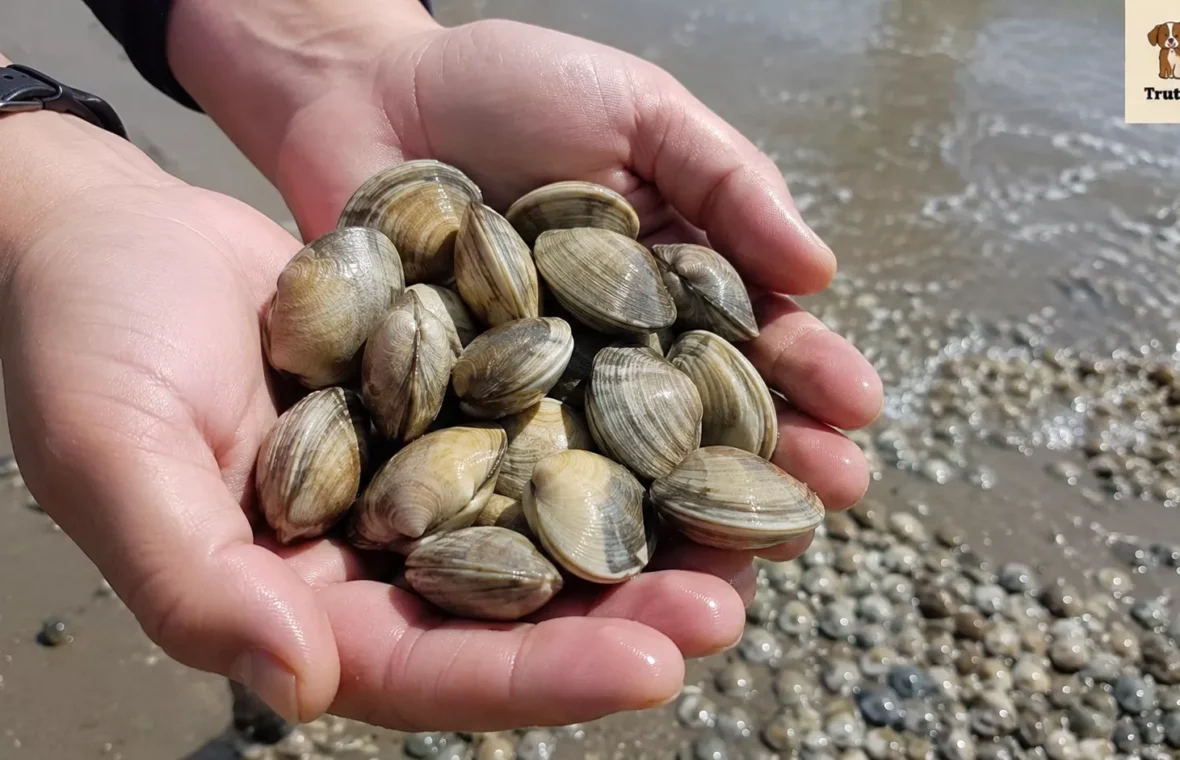
The Manila clam is a small burrowing shellfish native to parts of Asia and the western Pacific. It is also known as the Japanese littleneck clam, Japanese carpet shell, or asari in Japan. The shells are usually oval with ridges and mixed colors, often showing gray, cream, brown, or patterned markings.
Like other clams, it lives partly buried in sand, mud, or gravel and feeds by filtering tiny particles from the water. That sounds simple, but filter-feeding animals can have a large effect on shallow coastal ecosystems when they become abundant.
The species is valuable because it grows well, reproduces early, tolerates a range of coastal conditions, and is widely used in aquaculture. A Scientific Reports study described the Manila clam as the second most important bivalve species in fisheries and aquaculture globally.
Where Did It Come From?
The Manila clam’s native range is in the Pacific side of Asia, from areas around the Philippines and China north toward Japan, Korea, and Russia. From there, it moved far beyond its original range during the 20th century.
Some movement was accidental. In North America, researchers have linked its early spread to oyster shipments from Japan. The clams likely arrived as unnoticed hitchhikers with imported oysters. In Europe, the story was more intentional. The species was introduced for aquaculture and later spread through farming, transfers, and natural movement in suitable coastal habitats.
That travel history is why a simple search like “Manila clam spreading coastline” can lead into a much bigger story about seafood, trade, invasive species, and coastal management.
Is It Really On The Atlantic Coastline?
This is where the story needs careful wording. The Manila clam is well established in North America and Europe, but the strongest documented North American history is on the Pacific coast, including British Columbia, Washington, and California. In Europe, it has been introduced and farmed in several coastal regions, including Atlantic-facing areas.
So if people are searching “Atlantic coastline,” they may be reacting to a broad trend phrase, a local post, or confusion between different clam species. The confirmed scientific point is that Manila clams have been introduced outside Asia and are now established in parts of North America and Europe. The exact meaning of the current search phrase depends on which coastline people are talking about.
That difference matters. Not every trending phrase is a finished fact. Sometimes it is a doorway into a real topic that needs context.
Why Scientists Track Species Like This
Introduced shellfish can be complicated. A species can be useful to people and still create questions for ecosystems. Manila clams support seafood production in many places. They are farmed, harvested, sold, and eaten. At the same time, when a non-native species becomes dense in a coastal habitat, it can compete with native species, alter food webs, or change the way sediment and water systems work.
Researchers studying Manila clam populations in North America and Europe found that its present-day genetic structure lines up with the known history of introductions. In plain English, the clam’s DNA still carries clues about how people moved it across oceans.
That is why this is not just a shellfish fact. It is a record of trade and ecology written into an animal’s population history.
Is The Manila Clam Dangerous?
For everyday readers, the Manila clam is not a scary animal. It is a small edible shellfish. The concern is not that it attacks people or suddenly overruns a beach overnight. The concern is ecological: what happens when a non-native filter feeder becomes established, reproduces, and interacts with local species for decades?
In some regions, introduced shellfish can become part of a working fishery. In others, they may affect native clams, eelgrass beds, birds, crabs, fish, and the tiny plankton that support the food chain. The details depend heavily on location.
That is why scientists do not treat every introduced species the same way. The right question is not “good or bad?” The better question is: where is it, how dense is it, what does it eat, what eats it, and what native species are affected?
Why People Are Searching It Now
The current search spike likely comes from a mix of curiosity, nature news, and the slightly strange way the phrase sounds. “Manila clam spreading along the Atlantic coastline” feels like a headline people would click because it raises questions immediately. What is a Manila clam? Why is it spreading? Is it invasive? Can people eat it? Should coastal communities be worried?
Those are useful questions, but they should not be answered with panic. The story is better understood as a coastal ecology story with a human history behind it.
What Is Confirmed
- The Manila clam is a real bivalve species known scientifically as Ruditapes philippinarum.
- It is native to parts of Asia and the western Pacific.
- It has been introduced to North America and Europe.
- It is economically important in aquaculture and fisheries.
- Scientists have studied its genetic history to understand how it moved across continents.
What Is Still Unclear
- Which specific current post or report caused the latest Google Trends spike.
- Whether searchers mean the U.S. Atlantic coast, Europe’s Atlantic-facing coast, or a general coastline story.
- Whether any new local discovery is behind the trend, rather than renewed interest in an older established species.
Bottom Line
The Manila clam is trending because it sits at the crossing point of food, wildlife, invasive species, and coastal change. It is small enough to miss on the beach, but its history stretches across oceans.
The smart way to read the trend is not as a monster-shellfish story. It is a reminder that the animals living under coastal sand often tell us something about trade, climate, aquaculture, and the quiet movement of species around the world.
Sources
Sources & Notes
This article is written as an independent explainer. Readers should verify official announcements through primary public sources, court records, government notices or the concerned organisation before acting on political or legal claims.
FAQs
What is TruthRoute.com?
TruthRoute.com is an independent U.S.-based global news and analysis website publishing source-based reporting, explainers and opinion across world, politics, business, tech, health, entertainment and sports.
How should readers use this article?
Use it as an independent explainer and starting point for context. For legal, political or official claims, always check primary documents and official sources.

Truth Route Editor
Newsroom byline for source-based explainers, viral story breakdowns and public-interest updates published by TruthRoute.com.